
Tooth Extractions
Tooth extraction can relieve pain, stop infection, and protect surrounding teeth. When a tooth is severely damaged or overcrowded, removal can support better oral health, improve comfort, and help create space for future restorative or orthodontic treatment, as recommended by professionals.
Tooth Extraction in Glendale, WI
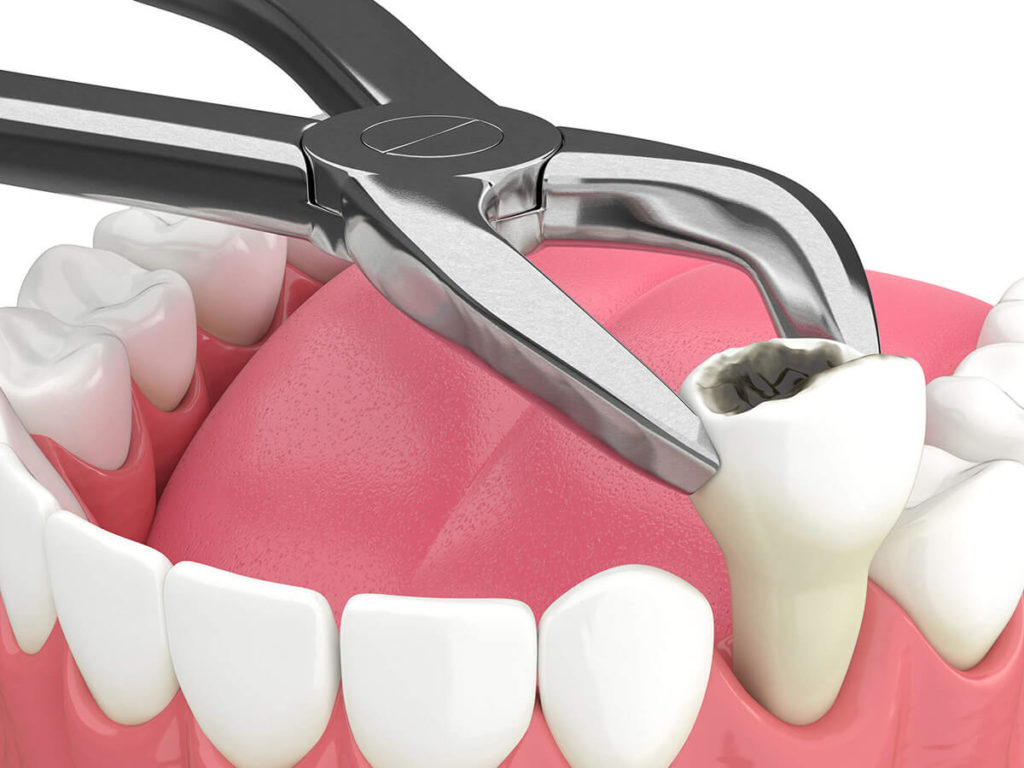
Tooth extraction is the careful removal of a tooth from its socket when it can no longer be saved or restored. It may be needed due to severe decay, infection, gum disease, overcrowding, or damage from trauma. Extractions are sometimes recommended to prepare for orthodontic treatment or to prevent the spread of infection. Removing a problematic tooth can relieve pain, protect surrounding teeth, and support better oral health. Our team ensures the process is safe, comfortable, and tailored to your individual needs. Recovery is typically quick with proper aftercare and professional guidance.
We understand dental anxiety, which is why we offer sedation options:
- Oral Sedation: Take a prescribed sedative before your appointment for deep relaxation.
- Nitrous Oxide (Laughing Gas): An inhaled gas that induces relaxation and reduces anxiety.
Your comfort matters. Schedule a consultation with us today to learn more about our tooth extraction services and experience a stress-free dental visit.
-
How can I prevent dry socket after a tooth extraction?
After a tooth extraction, protecting the healing site is key to avoiding dry socket. For the first 24 hours, refrain from forcefully rinsing, spitting, smoking, or using straws, as suction can dislodge the protective blood clot. Gently bite on the gauze as directed and keep the area clean by brushing carefully in the surrounding area. Eat soft foods, stay hydrated, and follow all aftercare instructions. If pain worsens after a few days or you notice a bad taste, contact your dentist promptly. Rest well and attend follow-up visits to ensure a smooth and comfortable healing process.
-
When and why do wisdom teeth need removed?
Many people need wisdom teeth removed when these third molars don’t have enough room to emerge properly. Impacted or partially erupted wisdom teeth can trap bacteria, leading to pain, infection, decay, or damage to nearby teeth. Removal is often recommended during the late teens or early twenties, when roots are less developed, and healing is faster. Even symptom-free wisdom teeth may be removed to prevent future problems and protect long-term oral health.
-
What restoration options are there for replacing an extracted tooth?
When a tooth is extracted, several reliable restoration options can restore your smile and function. Dental implants replace the tooth root and crown, offering a long-lasting, natural-feeling solution. Dental bridges utilize neighboring teeth for support to fill the gap efficiently. Partial dentures offer a removable and cost-effective alternative for replacing one or more teeth. Your dentist will consider factors such as bone health, adjacent teeth, budget, and lifestyle to recommend the best option. Treatment is customized, discussed, and planned to fit your long-term goals.
Learn More About Tooth Extraction
If you have more questions about tooth extractions or need to schedule your next appointment, please contact our office. You can also schedule an appointment or see the other services we provide using the links below.