Periodontal Disease Treatment
Periodontal treatment helps control gum disease, protecting teeth and bone while improving overall oral health. By reducing inflammation and infection, patients enjoy fresher breath, healthier smiles, and lower risks of tooth loss and systemic health complications through personalized professional care.
Periodontal (Gum) Disease Treatment in Glendale, WI
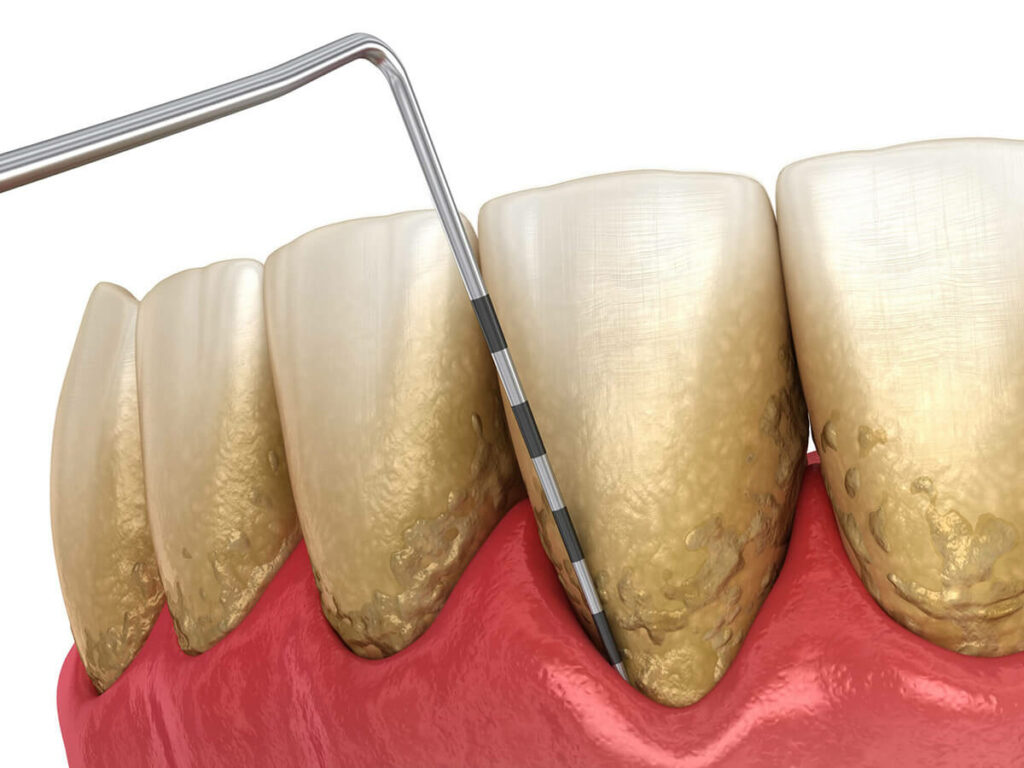
Gum disease, also known as periodontal disease, is a common infection of the gums caused by the buildup of plaque around the teeth. Early stages may cause redness, swelling, or bleeding, while advanced disease can damage bone and lead to tooth loss. Treatment typically includes professional cleanings, improved home care, and, in some cases, deep cleaning or additional procedures. Treating gum disease protects your teeth, supports overall oral health, and may reduce systemic health risks.
Without treatment, gum disease can worsen, leading to chronic infection, loose teeth, bad breath, pain, and ultimately, tooth loss, which can impact confidence and daily comfort.
-
What are the symptoms of gum disease?
Gum disease often starts quietly, with symptoms that are easy to overlook. Early signs include red, swollen, or tender gums, bleeding when brushing or flossing, and persistent bad breath. As it progresses, you may notice gum recession, teeth that appear longer, increased sensitivity, or discomfort when chewing. In more advanced stages, the gums can pull away from the teeth, pockets may form, and the teeth may loosen. Recognizing these symptoms early and seeking dental care can help protect your smile and overall oral health.
-
What causes gum disease?
Gum disease develops when harmful bacteria build up along and beneath the gumline. The most common cause is poor oral hygiene, which allows plaque to harden into tartar and irritate the gums. Smoking, diabetes, certain medications, hormonal changes, and genetic factors can increase risk. Early stages often begin with red, swollen, or bleeding gums. Without treatment, ongoing inflammation can damage supporting bone and tissue, potentially leading to tooth loss.
-
What are treatment options for gum disease?
Gum disease is common, but highly treatable when addressed early. Our team provides personalized periodontal care to restore your oral health and protect your smile. Treatments may include scaling and root planing, a deep cleaning that removes bacteria and buildup below the gumline to help tissues heal. For advanced cases with bone loss, bone grafting can rebuild supportive structures and stabilize teeth.
-
What is gum recession and how is it treated?
Gum recession happens when the gum tissue surrounding the teeth gradually pulls back, exposing more of the tooth or its root. This can cause sensitivity, an increased risk of decay, and changes to the appearance of your smile. Common causes include aggressive brushing, gum disease, genetics, or teeth grinding.
Treatment depends on the severity and may include deep cleanings, improved home care, medicated rinses, or surgical options, such as gum grafting. Early diagnosis is key. Addressing gum recession promptly helps protect your teeth and maintain long-term oral health.
Want to Learn More About Gum Disease Treatment?
If you have more questions about periodontal disease or if you've noticed any of the symptoms discussed, please schedule an appointment with our team today!